Dhaka: A heartfelt call to everyone. Wherever you are, whenever you appear before the media or the public eye. Present yourself in indigenous clothing, with an authentically local identity.
Wear locally crafted sarees, panjabis, kamiz, fatuas.
Choose Bangladeshi leather sandals or shoes.
Carry hand-crafted bags, headgear, jewelry, and accessories made by our own artisans.
These seemingly modest choices can ignite monumental transformation.
When you speak, appear, and represent yourself adorned in locally made products, you are not merely showcasing yourself.
you are projecting Bangladesh’s industry, heritage, craftsmanship, and cultural sovereignty onto the global stage.
Be the ambassador of your own brand.
Be the proud visage that represents Bangladesh to the world.
Take pride in indigenous products.
Elevate Bangladeshi aesthetics onto the world platform.
How Can Indigenous Apparel Be Elevated to the Global Arena?
1. Building Distinct Brands While Upholding International Standards
Bangladesh possesses a treasure trove of heritage textiles and crafts—
Jamdani, Nakshi Kantha, handloom sarees, Dhakai fabrics, Muslin, fatuas, linen, and artisanal garments.
These crafts embody exquisite finesse and ancestral mastery.
What is imperative is world-class packaging, branding, design innovation, and strategic global marketing.
2. Entering the Global Market Through E-commerce and Social Media
The Bangladeshi diaspora itself constitutes a vast, underutilized global market.
Our products must gain visibility on international platforms such as Amazon, Etsy, eBay, Shopify, and beyond.
3. Participation in Trade Fairs and Fashion Weeks
Presence at fashion weeks in Paris, Milan, Dubai, London, and other global capitals can propel Bangladeshi designers into international consciousness and acclaim.
How Can Dependence on Imported Foreign Apparel Be Reduced?
1. Replacing Cheap Foreign Imitations with High-Quality Domestic Brands
The government must extend tax incentives, export facilitation, and technological support to local brands.
2. Curbing the Influx of Cheap Foreign Fashion
Rigorous monitoring is required to dismantle smuggled markets and curb illegal inflows of low-grade foreign garments.
3. Launching a “Made in Bangladesh” National Campaign
Through public–private partnerships, mass media campaigns must cultivate pride and preference for indigenous products.
Expanding the Role of Indigenous Apparel in Employment Generation
1. Nationwide Technical Training Centers
Empower women and youth with skills in design, cutting, tailoring, and fashion marketing.
2. Investment in Handicrafts and Handloom Industries
Provide micro-financing, digital training, and online sales channels for rural women entrepreneurs.
3. Local Raw Material Production
Producing yarn, dyes, and fabrics domestically will reduce costs and exponentially expand employment.
How Can Individual Brands Contribute?
1. A Local Brand Is a Badge of Honor
Every citizen should aspire to build a brand—or consciously support domestic ones.
2. A Collaborative Brand Ecosystem
Established and emerging entrepreneurs can unite under national branding platforms such as
“BanglaWear,” “Made in Bangladesh,” or “Roots of Bengal.”
3. Fusion of Indigenous Brands with Technology
Digital platforms, mobile apps, QR codes, and blockchain-based origin tracking can reinforce consumer trust and transparency.
Wear indigenous attire.
Celebrate indigenous products.
Project your brand onto the world stage.
If we consume what we create, inspire others to do the same, and stand beside local entrepreneurs,
Bangladesh will rapidly ascend as a global powerhouse of fashion and craftsmanship.
“Made in Bangladesh” in the World’s Tourism Capitals — The Moment Is Now
In iconic global tourist destinations such as—
Dubai, Paris, New York, London, Kuala Lumpur, Bangkok, Istanbul, Singapore, Maldives, Bali, Doha—
millions of travelers shop daily, seek culture, and explore distinctive global brands.
Where is Bangladesh in that landscape?
We possess unparalleled products—
Jamdani, Muslin, Nakshi Kantha, leather shoes and bags, designer apparel, hand-crafted jewelry, handloom textiles—
yet lack a cohesive global showroom network.
The Time Is Now:
To establish Bangladeshi Brand Showrooms in major global tourist hubs.
So that international visitors can easily purchase Bangladeshi fashion and crafts.
So exports surge, and Bangladesh emerges as a symbol of creativity, culture, and refined style.
What Must Be Done — Public and Private Action
1. Launch “Bangladesh Craft & Fashion Showroom” initiatives in tourist hotspots through public–private collaboration.
2. Use trade missions to facilitate space allocation abroad for Bangladeshi entrepreneurs.
3. Prepare emerging brands for international standards through EPB and SME Foundation support.
4. Establish showrooms and kiosks in global fashion malls, airport duty-free zones, and tourist centers.
What We Gain
* Exponential growth in exports
* Global recognition of Bangladeshi craftsmanship
* A positive international perception of Bangladesh
* Expanded employment—both domestically and abroad
* A formidable rise in the brand value of “Bangladesh”.
To present one’s culture to the world is the truest form of globalization.
As Bangladesh strides forward in sports, technology, and economic influence,
its culture and craftsmanship must secure a place on the global tourism and fashion map.
“Made in Bangladesh” is not merely a label—
let it stand as an emblem of pride, power, and permanence.
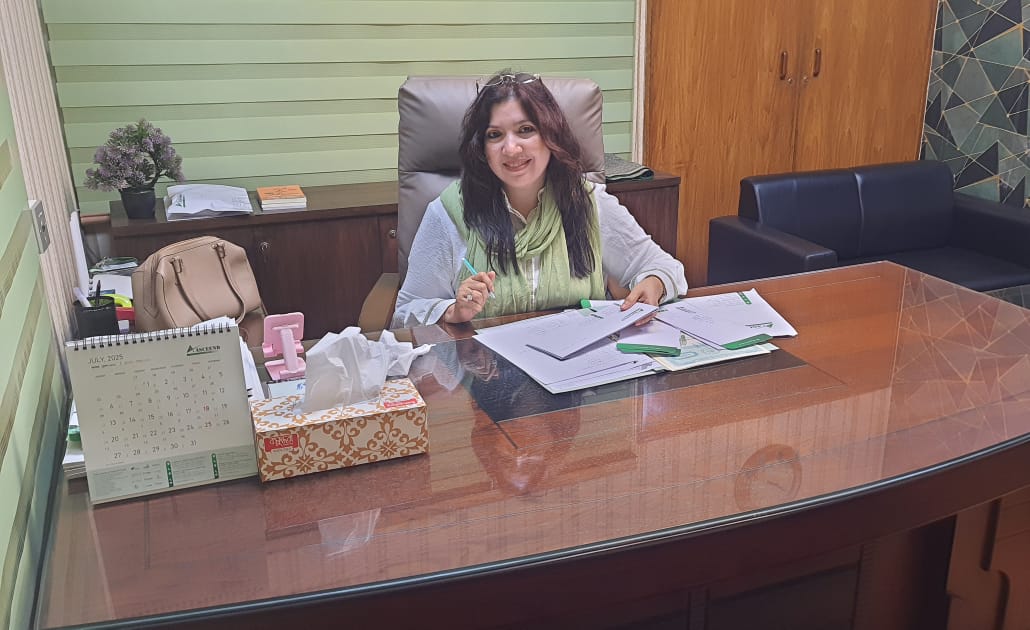
Shabera Shormin Haque- Politician, Political analyst, Entrepreneur, Environmental expert, Social worker, Cultural activist, Columnist.
Chairman, The Daily Bangladesh Views, Chief Adviser, 36TV.